International student recruitment in 2026 is no longer about going everywhere—it’s about going where it matters most.
With shifting visa policies, rising cost sensitivity, and increasing competition across traditional markets, universities are being forced to make more strategic, data-informed decisions about where—and how—they recruit.
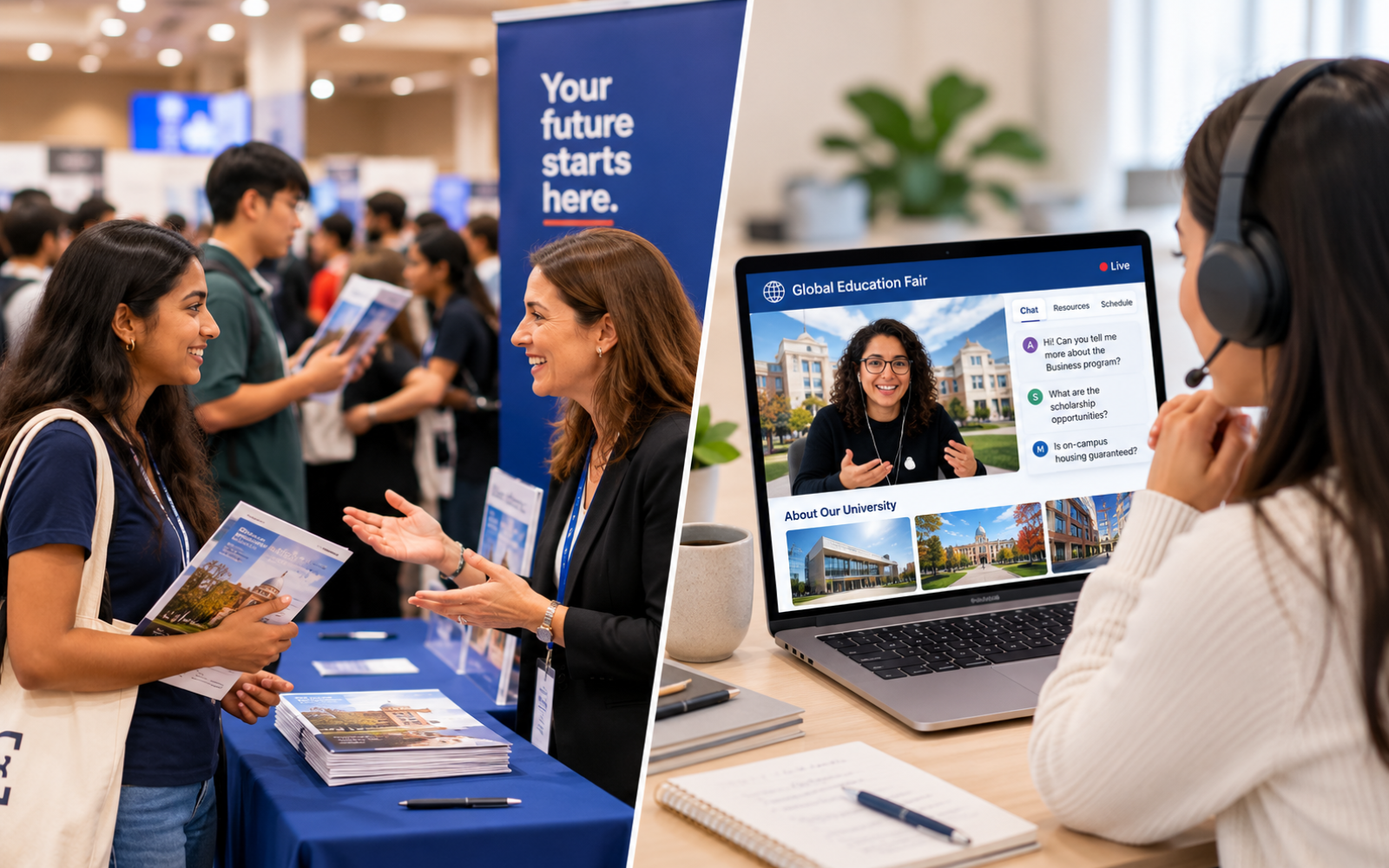
At UnivAssist, we work with institutions across global markets year-round, organizing in-country recruitment programs, virtual engagement, and strategic consulting initiatives. This vantage point provides valuable insight into where student demand is growing, where competition is intensifying, and where institutions are seeing the strongest return on investment.
If you’re planning your fall 2026 recruitment strategy, here’s how to think about high-impact markets—and how to prioritize them effectively.
Best High-Volume Markets: India, Brazil
Best Emerging Markets: Central Asia, East Africa, Southeast Asia (secondary cities)
Best for Strong ROI (Lower Competition): West Africa, Central Asia, North Africa
Best for Budget-Conscious Strategies: Latin America (select cities), North Africa, and secondary markets in India
Countries like India and Brazil continue to produce large volumes of internationally mobile students, making them essential for most institutions’ recruitment strategies.
However, the landscape within these markets is evolving.
India remains one of the most important outbound student markets globally. Major metro areas such as Delhi, Mumbai, and Bengaluru continue to deliver strong student volume—but they are also highly competitive.
What’s changing:
Where we’re seeing opportunity:
Brazil continues to be a key Latin American market, with consistent interest in international education.
What’s working:
What this means for universities: Established markets should remain part of your strategy—but success requires more targeted engagement, stronger positioning, and consistent presence.
Some of the most exciting growth in student mobility is happening in markets that were once considered secondary.
These regions are now delivering high engagement, strong conversion potential, and lower competition.
Cities like Almaty, Astana, and Bishkek are seeing growing interest in international education.
Why it matters:
Countries such as Kenya, Ethiopia, Tanzania, and Rwanda are emerging as important sources of outbound students.
Key trends:
While cities like Bangkok and Ho Chi Minh City remain important, growth is also happening in secondary and emerging urban centers.
What this means for universities: Emerging markets are ideal for institutions looking to:
Not all markets are about volume. Some deliver stronger yield and conversion rates, even with fewer students.
Countries like Nigeria and Ghana continue to show:
Markets such as Morocco and Tunisia offer:
What this means for universities: If you’re focused on efficiency and outcomes, these markets can deliver strong ROI—especially when approached strategically.
One of the biggest misconceptions in international recruitment is that impact requires a large budget.
In reality, success comes from aligning your approach with your resources.
Institutions with larger budgets can benefit from:
A more focused approach might include:
Even with limited resources, institutions can:
What this means for universities: There’s no one-size-fits-all approach. The most effective strategies are intentional, flexible, and aligned with institutional goals.
In 2026, recruitment success isn’t about choosing one market—it’s about building a balanced portfolio.
High-performing institutions are:
Even experienced institutions can fall into common traps:
The global recruitment landscape is more dynamic—and more competitive—than ever. But with the right strategy, it’s also full of opportunity.
The institutions that succeed in 2026 will be those that:
Whether you’re expanding into new regions or refining your current approach, having the right strategy in place is critical.
At UnivAssist, we support universities through:
If you’re evaluating where to recruit this fall, now is the time to start planning.