International student recruitment has changed dramatically over the past decade.
What worked five years ago—attending a few fairs, visiting major cities, and waiting for applications to arrive—is no longer enough. Today's students have more destination choices, access to more information, and higher expectations from universities than ever before.
So how can universities recruit international students effectively in 2026?
The answer isn't simply recruiting more students. It's building a strategic, sustainable enrollment approach that connects institutions with the right students, in the right markets, through the right channels.
Effective international student recruitment involves attracting, engaging, enrolling, and retaining qualified students from outside your home country.
Successful recruitment goes beyond generating inquiries. It focuses on:
The most successful institutions view recruitment as a long-term relationship-building process rather than a series of isolated events.
One of the most common mistakes universities make is trying to recruit everywhere.
Not every market is right for every institution.
Before investing in travel, events, or advertising, universities should evaluate:
For example:
The goal is not to find the biggest market. The goal is to find the right market.
Counselors remain one of the most influential voices in the student decision-making process.
Students and families frequently rely on counselors to:
Universities that invest in long-term counselor relationships often benefit from stronger brand awareness and more qualified student referrals.
Effective counselor engagement includes:
Counselor relationships should be viewed as a strategic investment rather than a recruitment activity.
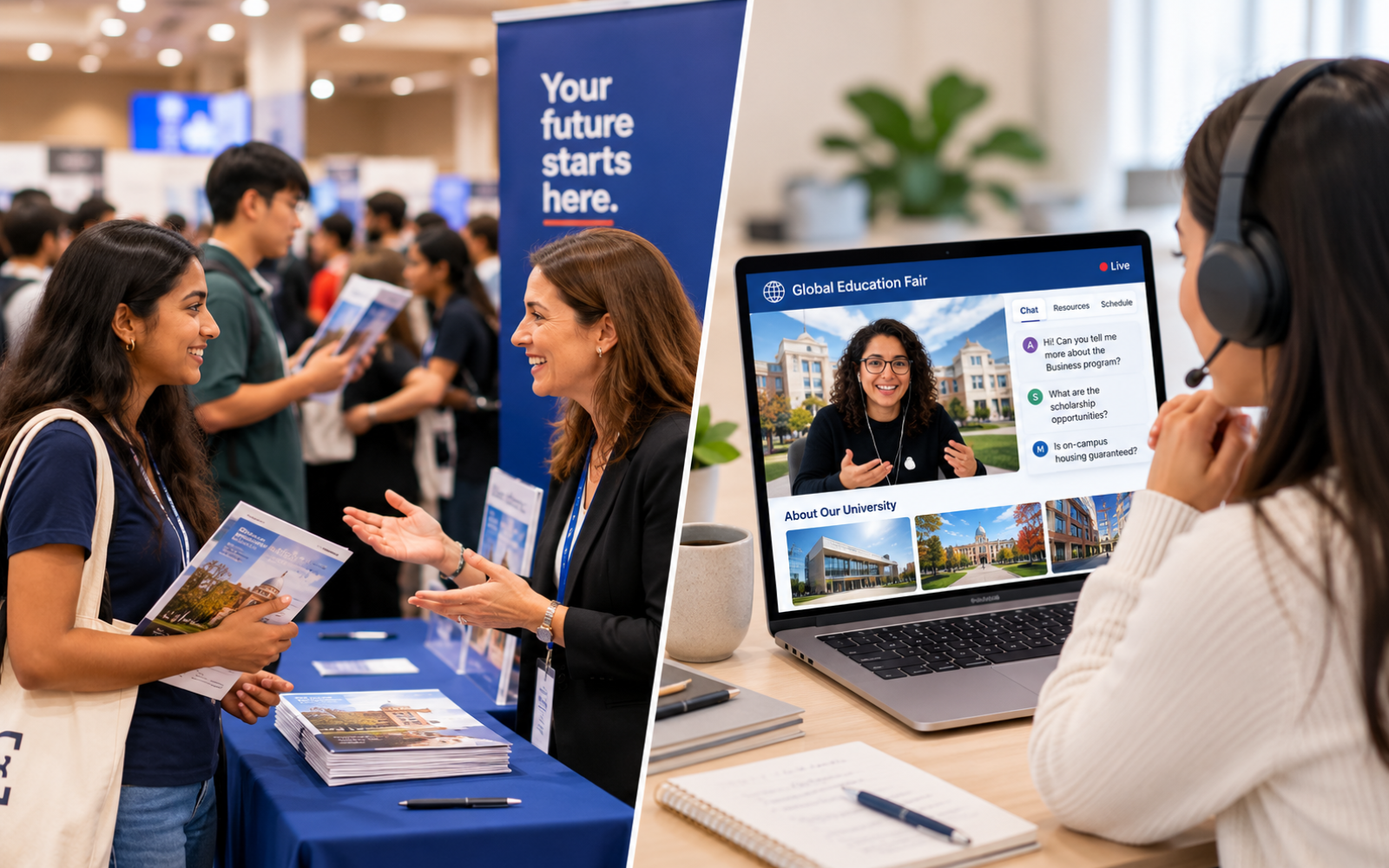
The most effective recruitment strategies in 2026 use both virtual and in-person engagement.
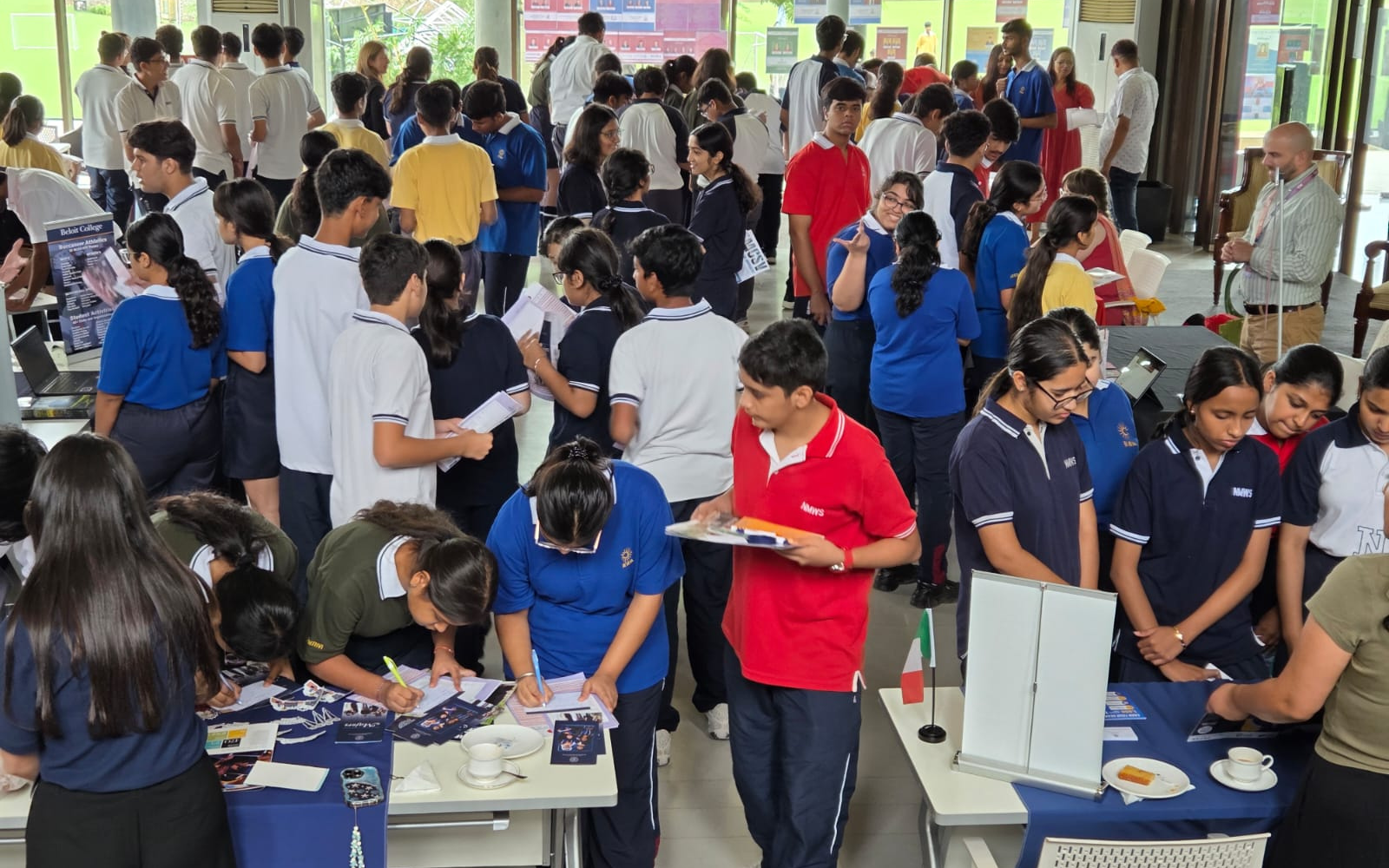
In-person recruitment provides:
Virtual recruitment provides:
Rather than choosing one approach over the other, successful universities use each channel for different purposes.
For example:
This creates multiple touchpoints across the student journey.
Many universities still market themselves primarily through rankings, facilities, and campus amenities.
Students increasingly want answers to different questions:
Recruitment messaging should focus on student success rather than institutional prestige alone.
Effective international recruitment requires continuous evaluation.
Universities should track:
Data helps institutions determine:
Without measurement, recruitment becomes guesswork.
The most successful international recruitment strategies are built over years, not months.
Markets develop over time.
Relationships develop over time.
Brand recognition develops over time.
Universities that maintain consistent engagement often outperform institutions that enter and exit markets based on short-term enrollment pressures.
Consistency is frequently a stronger predictor of long-term success than budget alone.
Universities often struggle when they:
Avoiding these mistakes can significantly improve recruitment effectiveness.
The future of international recruitment will be defined by flexibility, personalization, and strategic market selection.
Students have more choices than ever before. Universities that succeed will be those that:
International student recruitment is no longer about reaching the most students.
It's about reaching the right students—and creating a recruitment strategy that delivers sustainable enrollment growth year after year.